
Property Microsites vs Portal Listings — Why You Need Both
Rightmove gets the traffic. A property microsite owns the experience. Learn how Showcase-style pages complement portals instead of competing with them.

Key Takeaways
- Portals win on reach; microsites win on brand, depth and conversion control.
- A microsite is ideal for premium homes, developments and appraisal presentations.
- QR codes, PDF brochures and guided media work better on pages you own.
- Never remove portal presence to “force” traffic to your site — use both.
- Showcase helps teams publish polished property pages without a web developer.
Ask most agents where buyers find homes and the answer is still the portals. That is not changing overnight. What is changing is what happens after someone becomes interested. The agencies pulling ahead treat Rightmove and Zoopla as the discovery layer — then move serious attention onto a page they control.
That page is the property microsite.
This article explains the difference, when each channel matters, and how Showcase fits a practical dual-channel strategy.
What portal listings are optimised for
Portals are marketplaces. They excel at:
- High-intent search traffic
- Side-by-side comparison
- Map and filter discovery
- Trust through sheer familiarity
- Volume exposure across postcodes
Their constraints are equally clear:
- Limited layout control
- Shared visual language with every competitor
- Restricted storytelling beyond the gallery and text fields
- Branding that always sits inside the portal chrome
- Lead routing rules you do not fully design
Portals create opportunity. They do not fully own the relationship.
What property microsites are optimised for
A microsite — sometimes called a property website, listing page or Showcase page — is built around one instruction or development. It can prioritise:
- Your brand first
- Longer-form storytelling
- Embedded video, tours and interactive plans
- PDF brochure downloads
- Custom enquiry forms and CTAs
- QR journeys from physical marketing
- Development-wide navigation across plots
Where portals ask “which homes match my filters?”, microsites ask “is this home right for me?”
Side-by-side comparison
| Job | Portal listing | Property microsite |
|---|---|---|
| Discovery | Excellent | Weak alone |
| Comparison shopping | Excellent | Limited |
| Brand control | Low | High |
| Rich media flexibility | Medium | High |
| Brochure / PDF hub | Limited | Excellent |
| QR from boards | Awkward | Natural |
| Appraisal leave-behind | Weak | Excellent |
| Multi-plot developments | Constrained | Strong |
The strategic conclusion is simple: use portals for reach, microsites for depth.
The buyer journey that actually happens
- Buyer searches on a portal.
- Thumbnail and first images earn the click (checklist here).
- Gallery, plan and description build interest.
- Serious buyers want more: brochure, video, tour, school/context story, a clean share link for a partner.
- Your microsite becomes the shareable “source of truth”.
- Enquiry happens on the channel with the least friction — ideally one you track.
If step 4 dumps people into a generic branch homepage search, you leak momentum.
When a microsite is non-negotiable
Premium and lifestyle instructions. The price needs atmosphere and narrative, not only rooms and EPC.
New builds and developments. Plots, specifications, site plans and release phases need structure portals cannot express well.
Distant or overseas buyers. They need a complete pack they can revisit and forward.
Vendor politics. A beautiful microsite is a tangible proof point in the appraisal meeting.
Open houses and board traffic. QR to a microsite beats hoping someone types your URL correctly.
What to put on the page
Keep one job per section:
- Hero media and clear address / price positioning
- Key facts
- Photo gallery
- Floor plan
- Video or tour embeds
- Description / lifestyle context
- Brochure download
- Enquiry CTA repeated once at the end (and sticky on mobile if tasteful)
Avoid turning the page into a dashboard of widgets. Buyers should feel guided, not administered.
How Showcase fits without a developer
Historically, microsites meant waiting on a web person or wrestling a clunky CMS template. Showcase by ReHub is designed for property teams to publish branded pages, brochures and QR-ready links as part of the same ecosystem as your media tools.
That matters because the microsite is only as strong as the assets feeding it — edited photos, decluttered rooms, staged voids, video cuts and plans. Produce those inside ReHub Studio, then present them on a page that looks like your agency, not a portal clone.
Mistakes that waste the microsite budget
Building a microsite and underinvesting in portal creative. Poor thumbnails still kill discovery.
Password walls on ordinary resale homes. Friction destroys casual sharing.
Orphan pages with no QR, no email link and no portal mention. If nobody is sent there, the page is a brochure graveyard.
Inconsistent templates across negotiators. Every listing looking different weakens brand trust.
Treating the microsite as a vanity URL only. Include brochure, media and enquiry — otherwise it is just a pretty redirect.
A dual-channel operating model
- Portal listing goes live with full media package.
- Microsite publishes the same day with richer layout and brochure.
- Portal description includes a clear “view full brochure / media” link where policy allows.
- Board and window card carry a QR to the microsite.
- Appraisal deck uses the microsite as the hero proof.
- Social posts link to the microsite when you want brand-on arrival; use portal links when you want maximum discovery.
For more on QR and brochure tactics, see QR codes and PDF brochures for viewings.
Measuring success
Do not judge a microsite only on raw sessions. Track:
- Brochure downloads
- Average time on page
- Tour / video plays
- Enquiries attributed to the page
- Vendor satisfaction / instruction wins when microsites are shown in pitch
Portals will still dominate top-of-funnel numbers. Microsites should dominate quality-of-engagement numbers.
SEO, shareability and the microsite URL
Portal listings rank well because the portals rank well. Your microsite will not replace that discovery — but it can rank for address-specific searches and branded queries (“Smith & Co 14 Oak Lane brochure”).
Make each microsite URL clean, readable and stable for the life of the instruction. Avoid session tokens or ugly query strings when sharing on WhatsApp or email — partners forward links, and broken URLs kill momentum.
Open Graph metadata matters: when someone shares your Showcase link in iMessage or Slack, the preview thumbnail and title should match the hero image and address. A strong preview turns one viewer into two when they forward to a spouse or solicitor.
Add the microsite link to:
- Outgoing applicant emails
- Vendor update messages
- Solicitor and mortgage broker packs where appropriate
- Your branch Google Business Profile posts for premium stock
Do not rely on buyers finding the microsite by navigating your branch homepage search. Direct links convert; buried links do not.
Rolling out microsites across a multi-branch network
Consistency beats creativity when you operate five or more offices. Define:
- One approved template — fonts, colours, CTA placement
- Mandatory modules — gallery, plan, facts, enquiry
- Optional modules by price band — video, tour, development plot selector
- Publishing SLA — microsite live same day as portal, not “when someone remembers”
Train negotiators on when to mention the microsite in the portal description (where portal policy allows) and when to use it only in direct communication. Some portals restrict external links; know your platform rules before go-live.
Review microsite analytics monthly at branch level. If one office publishes pages but never shares them, the problem is behaviour, not technology. Pair Showcase with QR codes and PDF brochures so physical marketing drives traffic to the page you control.
When not to build a microsite
Microsites add value when depth matters. Skip or defer them when:
- The instruction is a low-value lettings turnaround with a 48-hour go-live target
- Media is incomplete and the page would launch with “photos coming soon” placeholders
- The vendor refuses online marketing beyond the portal minimum
- You lack the gallery quality to justify a standalone experience
In those cases, nail the portal package first. A thin microsite hurts brand perception more than no microsite at all.
Bottom line
Property portals and property microsites are not rivals. They are sequential tools in the same sale. Portals introduce the home to the market; microsites help the right buyers fall for it — on your brand terms, with your media, and with a path to enquire that you design.
If your current process ends at “uploaded to Rightmove”, you are stopping the story halfway through.
Frequently Asked Questions

The ReHub Studio Team
Property Marketing Experts
The ReHub Studio team builds AI-powered tools that help estate agents, photographers and developers create better property marketing, faster.
Ready to improve your property marketing?
Enhance photos, remove clutter, stage rooms, produce floor plans, create video and publish listings from one ReHub account.
Related Articles
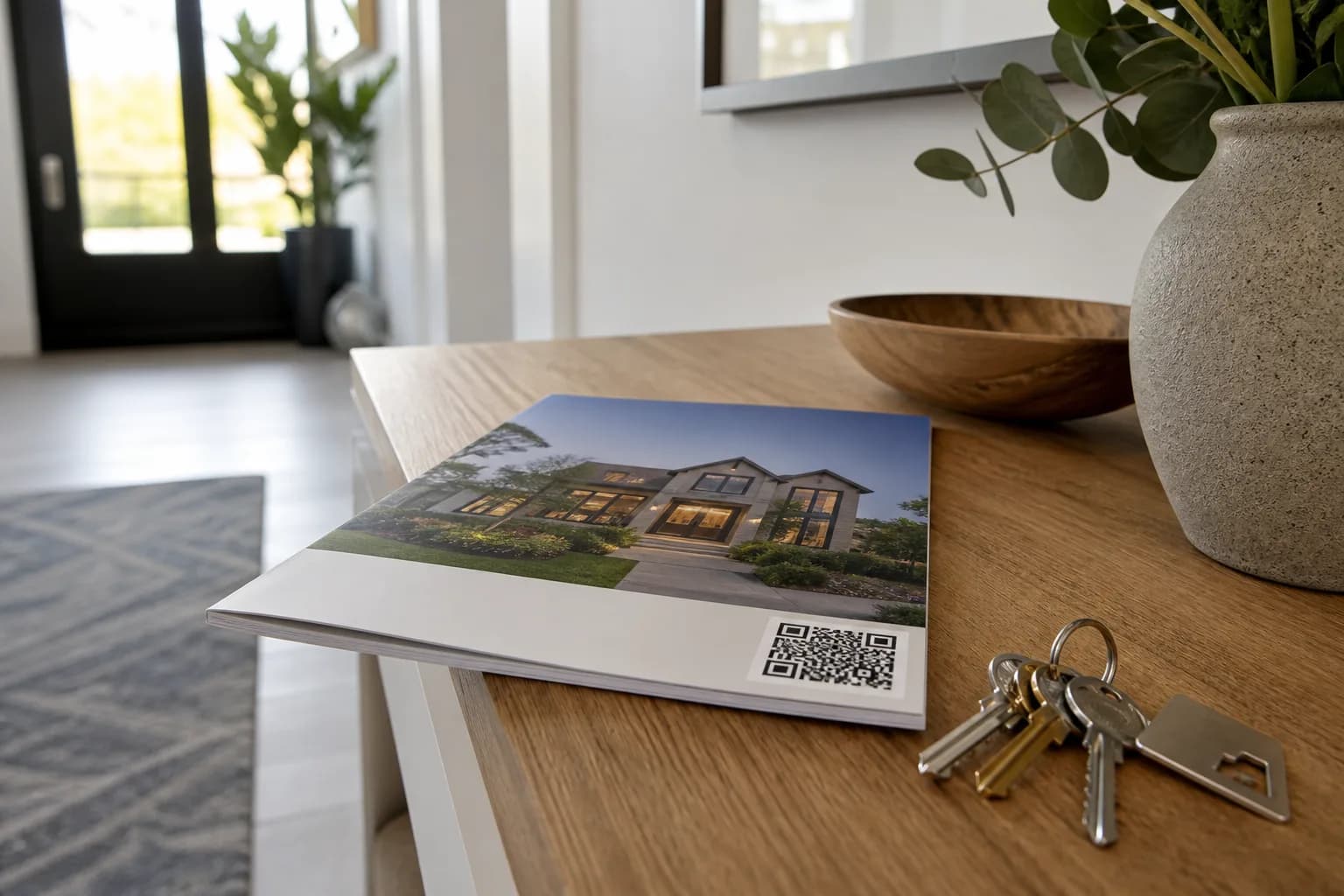
QR Codes and PDF Brochures That Turn Viewings into Enquiries
Boards, window cards and viewing folders still matter. Pair them with QR codes and smart PDF brochures so interest does not die when someone leaves the house.
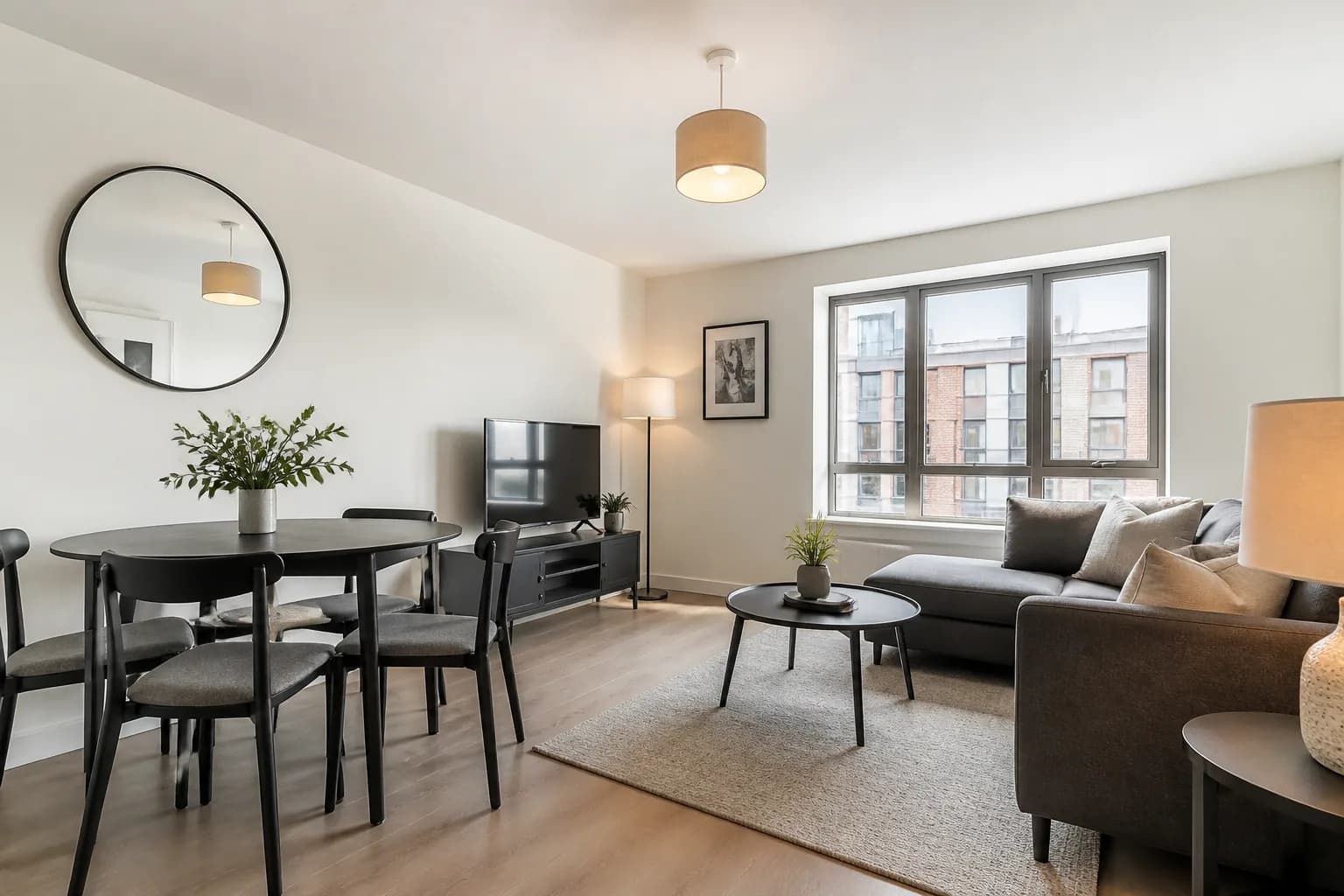
Lettings Marketing with AI Property Tools
Voids cost money. Learn how lettings teams use AI decluttering, staging, video and clearer photos to fill rentals faster without luxury-sale budgets.
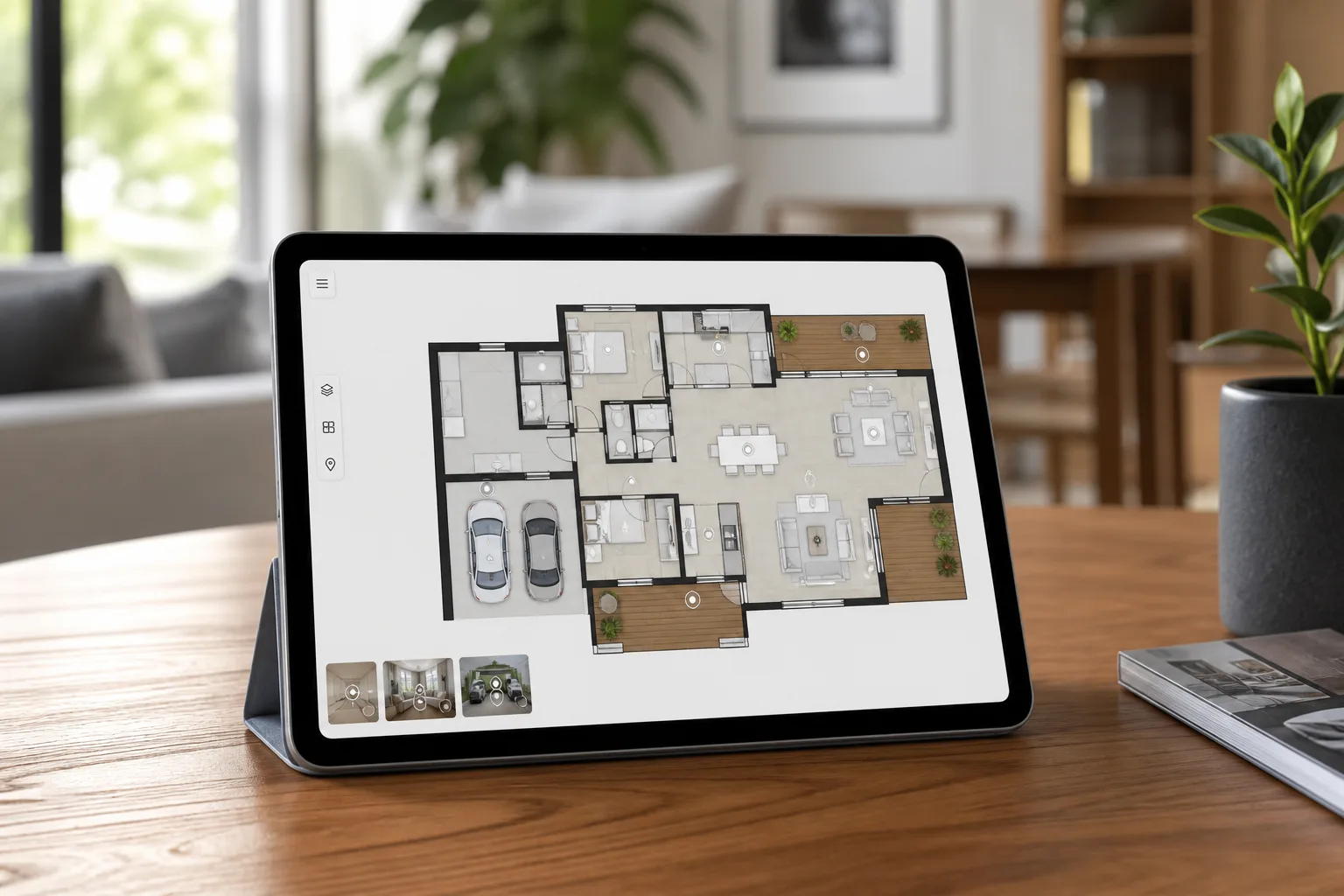
Interactive Floor Plans vs Static PDFs — Which Do Buyers Prefer?
Static plans still earn their place on portals. Interactive floor plans help buyers connect rooms to photos and tours. Here is how to choose — and when to offer both.