
Virtual Staging vs Traditional Staging
Virtual staging digitally furnishes empty rooms, while traditional staging uses physical furniture. Compare cost, speed, realism and when to use each.
Key Takeaways
- Virtual staging edits photos digitally; traditional staging furnishes the real room.
- Virtual staging typically costs a few pounds per image versus hundreds or thousands for physical staging.
- Virtual staging is faster, usually delivered within hours.
- Traditional staging improves the experience of physical viewings.
- Virtual staging must be disclosed so buyers are not misled.
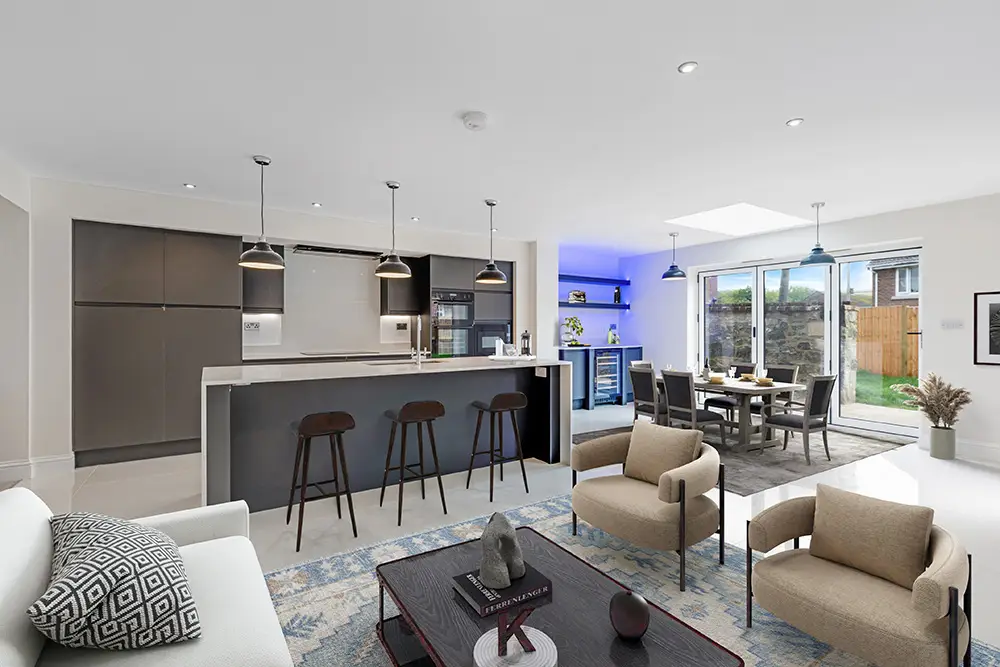
Empty rooms are hard to sell. Buyers struggle to judge scale and purpose without furniture, and bare photos generate fewer enquiries. Staging solves this — and you can do it physically or virtually. Here is how the two approaches compare.
What is virtual staging?
Virtual staging is the process of digitally adding furniture and décor to empty property photographs using software or artificial intelligence. The room stays empty in reality; the furniture exists only in the image. Learn more in our guide to what property marketing software does.
What is traditional staging?
Traditional staging means physically furnishing and decorating a property with real furniture, art and accessories before photographing it and showing it to buyers. The room is genuinely transformed.
Side-by-side comparison
| Factor | Virtual staging | Traditional staging |
|---|---|---|
| Cost | A few pounds per image | Hundreds to thousands |
| Turnaround | Hours (minutes with AI) | Days to set up |
| In-person viewings | No effect — room stays empty | Full effect |
| Flexibility | Restyle instantly | Re-furnish to change look |
| Risk of misleading | Must be disclosed | None |
| Best for | Online listings, speed, budget | Premium homes, show flats |
When to choose virtual staging
Virtual staging is the right choice when:
- You need listing photos quickly and affordably
- The property is empty and physical staging is impractical
- You want to show different styles to different buyer segments
- Most buyer interest starts online
When to choose traditional staging
Traditional staging is worth the cost when:
- The in-person viewing is decisive, such as for luxury homes
- You are running open houses or show homes
- The property's emotional impact relies on being experienced in person
Can you combine both?
Yes. A common approach is to virtually stage online photos to maximise enquiries, then physically stage the most important rooms for viewings of higher-value properties. This balances cost with the in-person experience.
A note on honesty
Virtual staging is a marketing aid, not a disguise. Always disclose that images are virtually staged, and never use it to hide damage, damp or structural issues. Used transparently, it helps buyers picture potential — which is exactly what good property marketing should do.
The bottom line
For most listings, virtual staging wins on cost and speed and does the job of generating online enquiries. Traditional staging remains valuable where the physical viewing experience matters most. Many agents use virtual staging as the default and reserve physical staging for premium instructions.
Frequently Asked Questions

ReHub Editorial
Real Estate Media Editorial
Researched, fact-checked guides on property marketing, real estate photography and AI property technology.
Ready to improve your property marketing?
Edit photos, remove clutter, stage rooms, create HDR images and generate property marketing content using ReHub Studio.
Related Articles

Twilight Photography Explained: Why HyperDusk Is Changing Property Marketing
Learn what twilight photography is, why it attracts more buyers, and how HyperDusk uses AI to create realistic twilight property images from daytime photos in minutes.
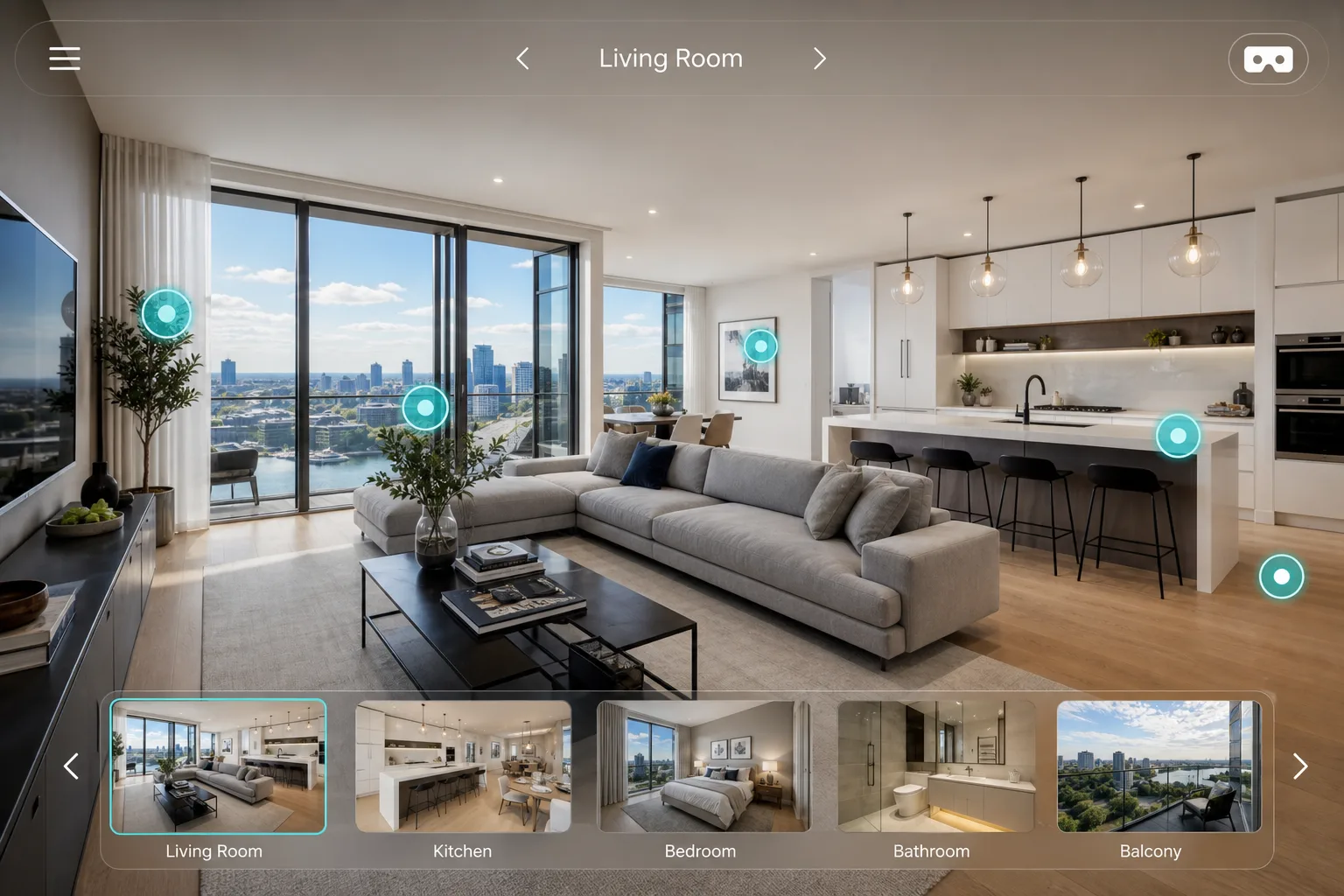
What Is a Virtual Tour? The Complete Guide to Interactive Digital Experiences (2026)
Learn what a virtual tour is, how it works, the different types available, and why businesses use interactive virtual tours to increase engagement and sales.
Why Every Property Business Needs One Marketing Platform (Not 15 Different Tools)
Discover why estate agents, photographers and property marketers are replacing multiple subscriptions with one AI-powered marketing platform.