
What Is HDR Property Photography?
HDR property photography blends multiple exposures so bright windows and dark interiors both look natural. Here is how it works and when to use it.
Key Takeaways
- HDR merges multiple exposures into one balanced image.
- It solves the common problem of blown-out windows or dark interiors.
- Good HDR looks natural, not over-processed or cartoonish.
- AI HDR tools now blend exposures automatically in seconds.
- HDR is ideal for rooms with strong window light or mixed lighting.
Step into a room on a bright day and your eyes adjust effortlessly between the sunlit window and the shaded corner. A camera cannot. HDR property photography is how photographers overcome that limitation.
The problem HDR solves
Cameras capture a narrower range of brightness than the human eye. In a typical interior shot you face a choice:
- Expose for the window, and the room goes dark
- Expose for the room, and the window blows out to white
Neither represents what a buyer would actually see. HDR fixes this.
How HDR works
HDR stands for High Dynamic Range. The technique is simple in principle:
- Shoot the same room at several exposures — typically dark, normal and bright
- Each exposure captures detail in a different brightness range
- Software merges them into one image that keeps detail everywhere
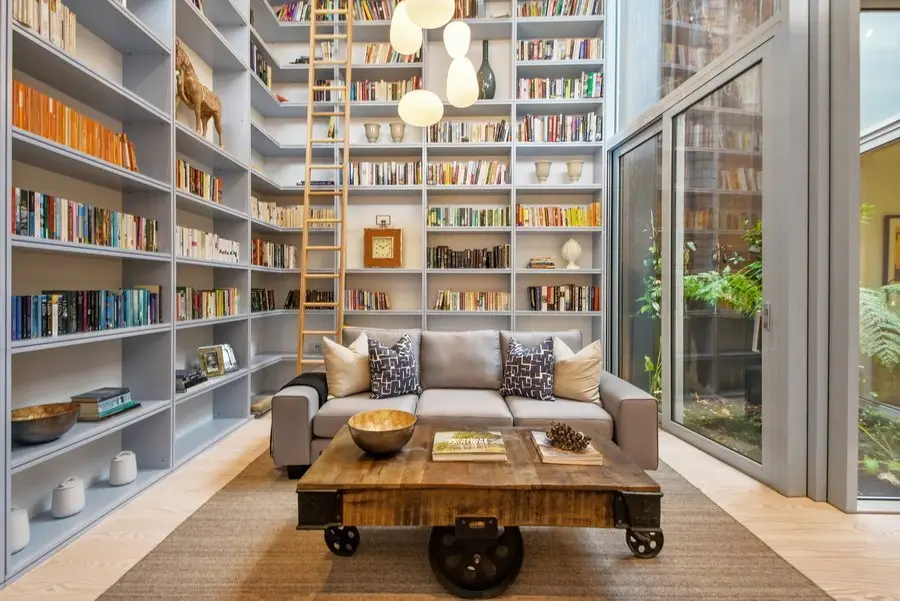
The result is a balanced photo where the window shows the view and the interior is properly lit.
What good HDR looks like
The goal is realism, not spectacle. Well-executed HDR is invisible — it simply looks like a bright, evenly lit room. Signs of poor HDR include:
- Grey, flat-looking light
- Glowing halos around windows and edges
- Over-saturated, unnatural colours
Where AI changes things
Traditionally, HDR meant manually bracketing exposures and blending them in editing software. AI HDR tools now do the blending automatically, producing natural results in seconds. This makes professional HDR practical on every listing rather than just premium ones — part of the wider shift in how AI is transforming estate agency marketing.
When to use HDR
HDR is most valuable when:
- Rooms have large or bright windows
- Lighting is mixed (daylight plus interior lamps)
- You want a consistent, professional look across a whole property
For the fundamentals of capturing the source images, see our guide to creating better property photos.
The bottom line
HDR property photography blends multiple exposures so every part of a room looks natural and well-lit. Done subtly — and increasingly with AI — it is one of the most reliable ways to make listing photos look professional.
Frequently Asked Questions

ReHub Editorial
Real Estate Media Editorial
Researched, fact-checked guides on property marketing, real estate photography and AI property technology.
Ready to improve your property marketing?
Edit photos, remove clutter, stage rooms, create HDR images and generate property marketing content using ReHub Studio.
Related Articles
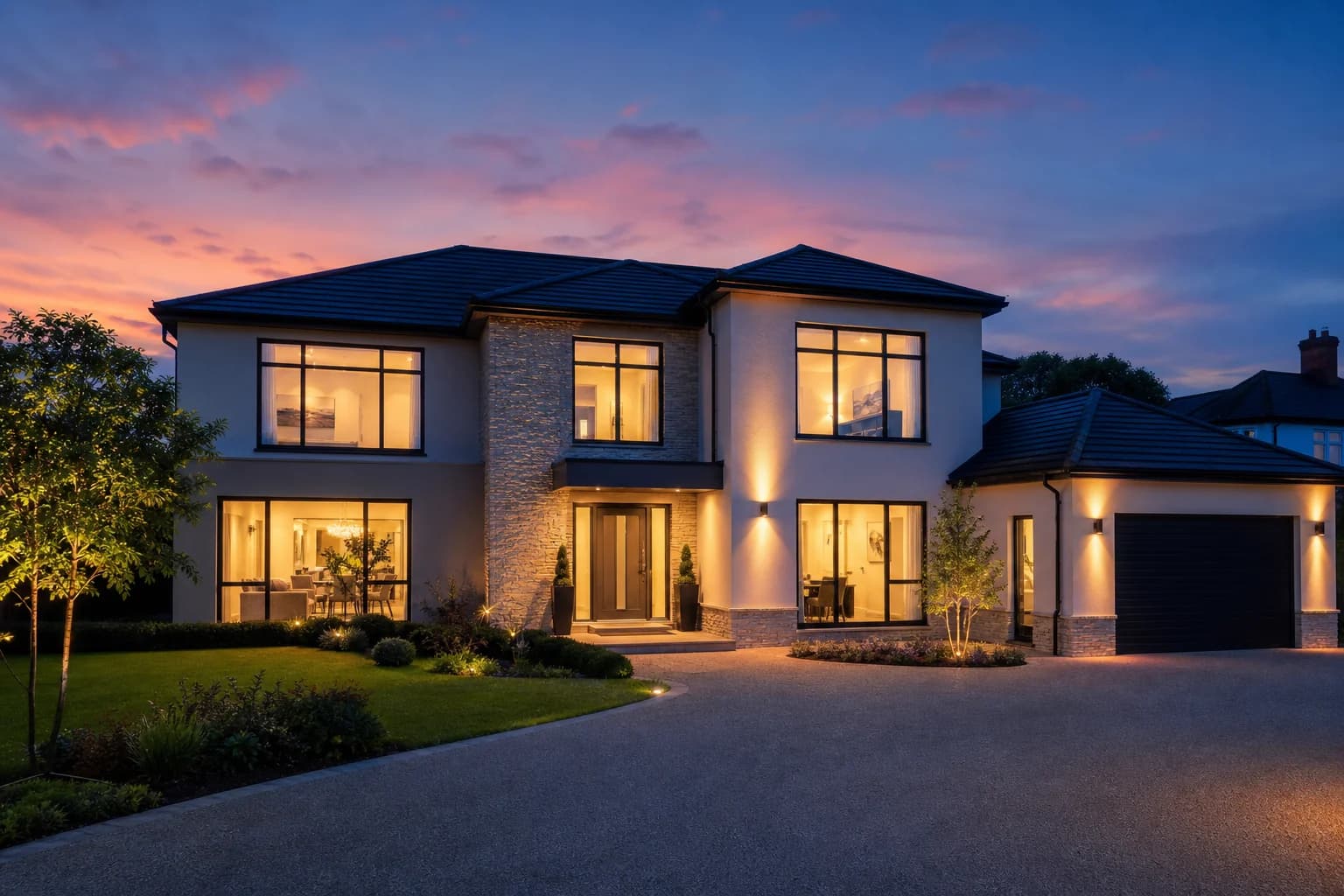
Twilight Photography Explained: Why HyperDusk Is Changing Property Marketing
Learn what twilight photography is, why it attracts more buyers, and how HyperDusk uses AI to create realistic twilight property images from daytime photos in minutes.
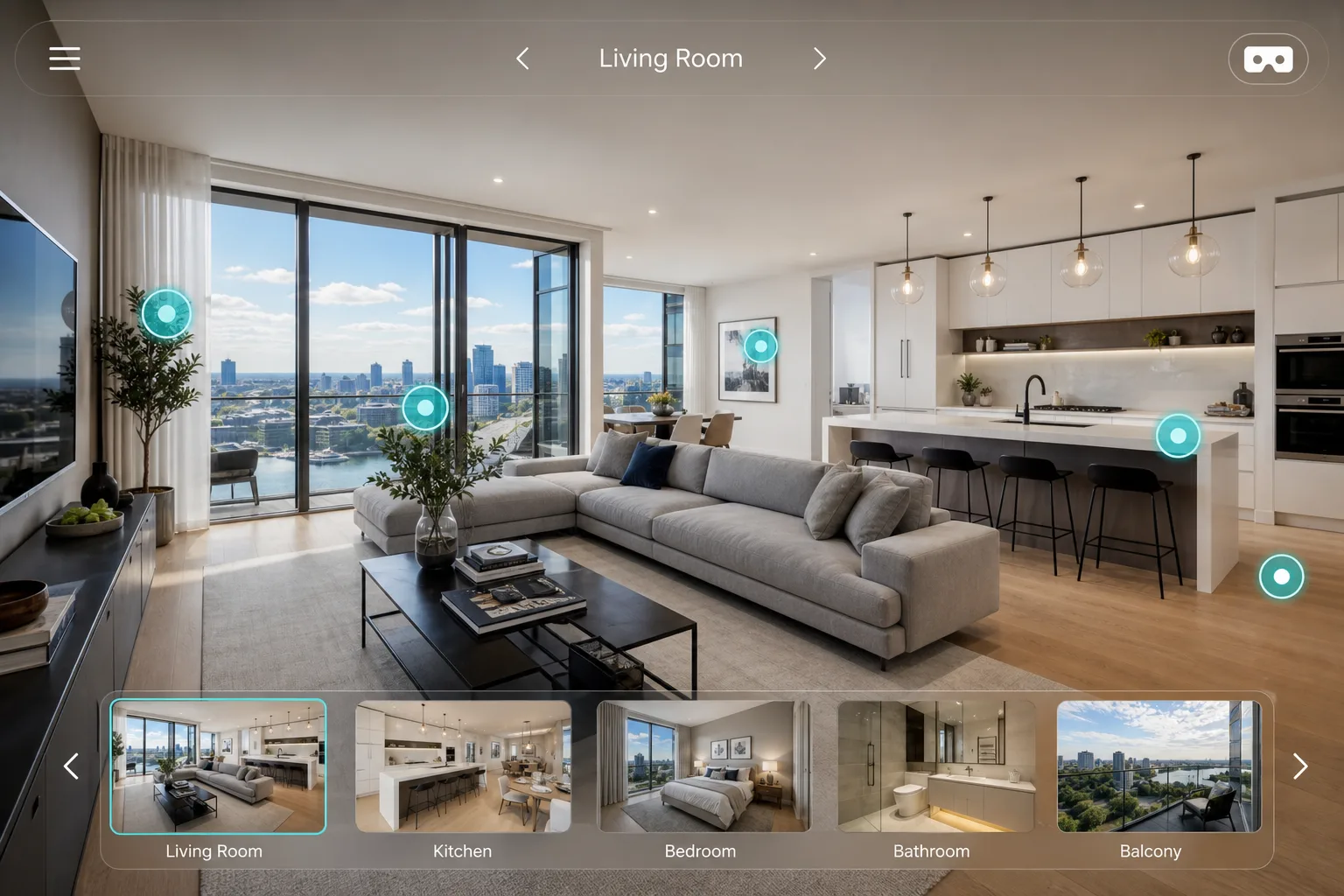
What Is a Virtual Tour? The Complete Guide to Interactive Digital Experiences (2026)
Learn what a virtual tour is, how it works, the different types available, and why businesses use interactive virtual tours to increase engagement and sales.
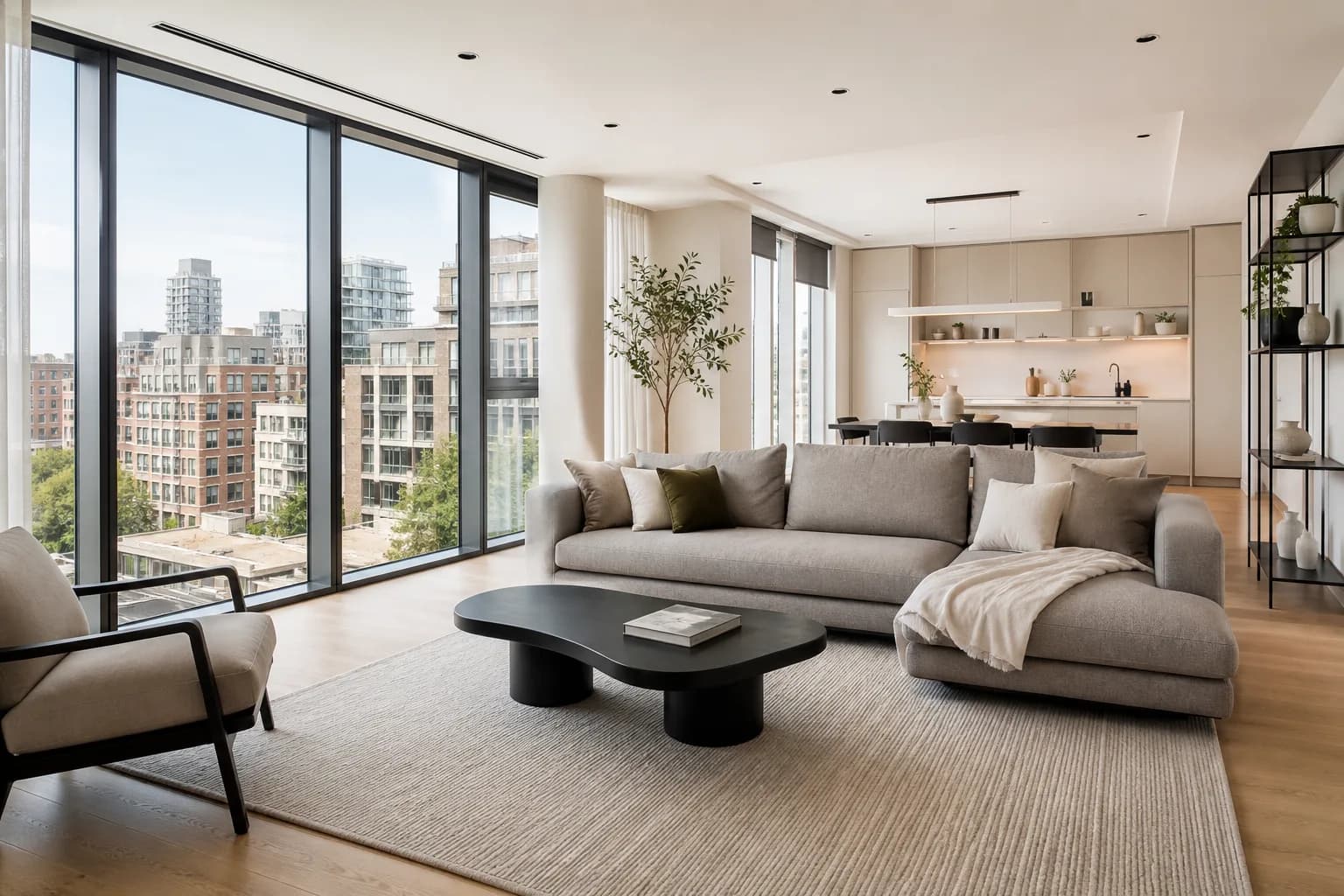
Why Every Property Business Needs One Marketing Platform (Not 15 Different Tools)
Discover why estate agents, photographers and property marketers are replacing multiple subscriptions with one AI-powered marketing platform.